If you are looking for an arknights anime review before starting the show, the fair answer is a cautious yes. It is worth watching for bleak sci-fi fantasy, tragic character drama, and a heavy atmosphere, but it is not the easiest anime to enter cold. Existing game fans will get more from it than anime-only viewers, especially in the early episodes.
Quick Verdict on the Arknights Anime
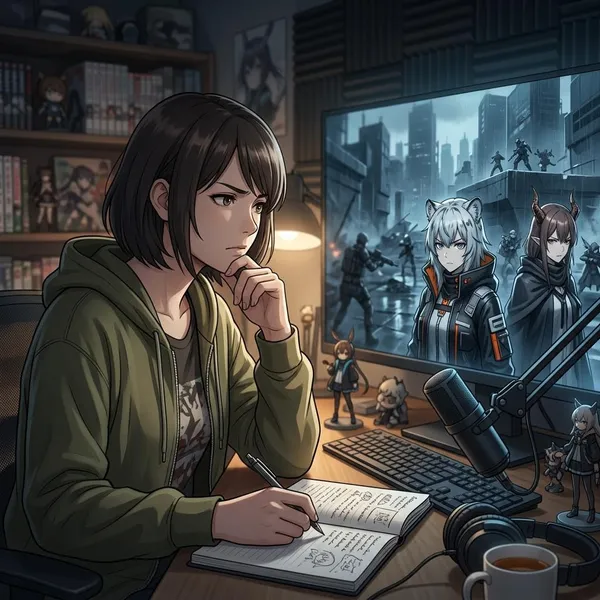
The Arknights anime works best when you treat it as a slow, moody adaptation rather than a clean beginner-friendly action series. Its strongest qualities are tone, music, visual direction, and emotional pressure. Its main problem is that it expects you to keep up with factions, names, and political context before you are fully attached to the cast.
| Viewer type | Recommendation |
|---|---|
| Game player or lore fan | Worth watching, because the adaptation preserves the mood and key emotional beats. |
| Anime-only dark fantasy fan | Try it if you enjoy dense worlds and do not need every term explained immediately. |
| Viewer wanting fast action | Probably not the best pick; the show often values silence and atmosphere over momentum. |
Best for Dark Fantasy Fans
The easiest recommendation is for viewers who already like grim settings where illness, discrimination, war, and political failure shape the story. Arknights is not a power-fantasy adventure with a bright heroic rhythm. It is closer to dystopian tragedy, where even sympathetic characters are trapped by systems bigger than themselves.
If you enjoy anime that leaves you with moral discomfort rather than simple victory, the tone will probably click. If you usually watch fantasy for escapism, the constant heaviness may feel draining.
Strongest Point Is the Atmosphere
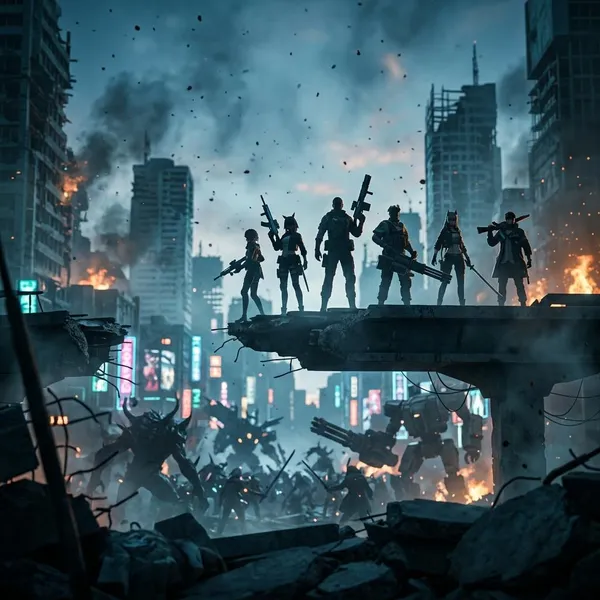
Atmosphere is where the anime feels most confident. Ruined streets, cold lighting, quiet pauses, and tired character expressions do a lot of the storytelling before anyone explains the politics. Even when the plot becomes dense, the world still feels wounded and unstable.
This is also why the show can remain compelling during slower episodes. A scene does not always need a big fight to work; sometimes the silence around a character says more than another burst of exposition would.
Biggest Weakness Is Accessibility
Accessibility is the catch. New viewers have to learn about Rhodes Island, Reunion, Oripathy, the infected, city politics, and a large cast without much hand-holding. You can follow the broad conflict, but some scenes may feel important before you fully understand why they matter.
- Check first: whether you enjoy lore-heavy shows that ask for patience.
- Acceptable: feeling a little lost early while the mood and main conflict settle in.
- Not ideal: expecting a self-contained anime that explains every faction as it appears.
Overall Verdict Is Better for Existing Fans
Existing fans get the clearest payoff because they already know which names, places, and emotional connections carry weight. For them, the anime feels like a polished, serious version of material they already care about.
Anime-only viewers can still enjoy it, but the better approach is to give the opening stretch some patience. If the atmosphere, music, and moral tension do nothing for you after the first few episodes, the later improvements may not be enough to change your mind.
What the Arknights Anime Does Best
The adaptation is strongest when it leans into what makes Arknights distinct: a broken world, emotionally burdened characters, and conflict that rarely feels clean. It does not always make the story easy, but it usually makes the world feel serious and lived in.
Its best moments come from the way visual direction, music, and character drama support each other. The show is not just trying to retell plot points from the game; it is trying to preserve a specific feeling of grief, pressure, and survival.
Bleak and Immersive World-Building
Oripathy is not treated as simple background lore. It affects social status, fear, work, public safety, and political control, so the setting feels shaped by the crisis at every level. Rhodes Island is also more interesting than a standard hero group because it is trying to help the infected while operating inside violent conflict.
The best world-building is often visual. Checkpoints, damaged cities, industrial interiors, and empty streets tell you what kind of society this is before the dialogue catches up.
Strong Visual Direction
The anime is not built around nonstop sakuga or constant action spectacle. Its visual strength is composition: dim rooms, still faces, heavy weather, and careful framing that make the world feel cold and exhausted.
That style works especially well for viewers who care about mood. Someone looking for flashy weekly fight scenes may come away underwhelmed, while someone who likes cinematic restraint may find the show more visually impressive than expected.
Emotional Character Drama
Arknights becomes much stronger when it narrows the focus to characters such as Amiya, Ch'en, FrostNova, and Talulah. These characters give the wider political conflict a personal cost, which is where the anime has the most emotional force.
The important distinction is that the drama is not only about who wins a fight. It is about duty, resentment, guilt, loyalty, and what people become after being pushed too far. When the show gives those conflicts enough space, it feels genuinely affecting.
Excellent Music and Voice Acting
The music and voice acting carry a lot of weight because Arknights depends on mood and emotionally serious dialogue. The performances help dense conversations feel less mechanical, and the soundtrack knows when to support a scene without overwhelming it.
The quieter use of sound is especially effective. Some tense or sad moments land better because the anime lets silence sit instead of forcing constant dramatic music.
Where the Arknights Anime Falls Short
The same qualities that make Arknights distinctive also make it a difficult recommendation. It is serious, dense, and committed to its own world, but it does not always translate that world smoothly for new viewers. The result is an anime with strong identity and uneven accessibility.
Dense Lore
The lore can be rewarding, but it arrives quickly. Names, groups, cities, medical terms, and political motives can blur together early on, especially if you have not played the game.
Uneven Pacing
Some slow scenes are excellent because they deepen the sadness or tension. Others feel slow because they repeat the same emotional temperature without adding much new information. That difference matters in a show already asking for patience.
The pacing also shifts between quiet drama, exposition, and sudden conflict in ways that can feel rough. It improves as the story gains stronger emotional centers, but the rhythm never becomes completely smooth.
Too Many Characters
The cast is larger than the anime can comfortably develop. Important characters stand out, but others appear with the kind of weight that makes more sense if you already know them from the game.
- For game fans: brief appearances may feel satisfying because the context is already there.
- For new viewers: some characters may register more as names than as people.
- For emotional payoff: the show works best when it stops rotating the cast and stays with one conflict longer.
Limited Context for Newcomers
Newcomers do not need to play Arknights first, but they should expect a learning curve. The anime usually gives enough to understand the main direction of the story, not always enough to make every emotional beat land immediately.
This is where viewer patience becomes the deciding factor. If you are comfortable watching a dense first season and letting character importance build gradually, the anime is manageable. If you dislike feeling even briefly underinformed, it may feel colder than intended.
How the Arknights Anime Improves Across Its Seasons
The anime becomes easier to appreciate as it moves forward because the emotional stakes grow clearer. Prelude to Dawn carries the burden of setup, while Perish in Frost and Rise from Ember benefit from stronger character focus and heavier dramatic payoff.
This does not mean every structural problem disappears. The cast is still crowded, and the lore can still feel thick. The improvement is more about emotional direction: the later material gives viewers better reasons to care.
Prelude to Dawn Builds the Foundation
Prelude to Dawn is necessary but not the easiest entry. It introduces Rhodes Island, the Doctor, Amiya, Reunion, and the infected crisis, so a lot of its job is setup. The atmosphere is already strong, but the emotional hook can feel distant for anime-only viewers.
Think of it as the season where you decide whether the world interests you enough to continue. If the mood and central conflict catch your attention, the later seasons have more to offer.
Perish in Frost Raises the Emotional Stakes
Perish in Frost is where the anime starts to feel more rewarding. Ch'en gains stronger dramatic weight, FrostNova brings a sharper tragic perspective, and Reunion becomes more than a faceless enemy group.
The season works because it connects political cruelty to personal suffering. That gives the conflict more texture and makes the show's bleakness feel less like background style and more like emotional consequence.
Rise from Ember Pushes the Conflict Further
Rise from Ember pushes the story into a larger tragedy, with Talulah becoming a more central and complicated figure. Her role helps turn the conflict from a faction struggle into something more personal and painful.
The familiar issues are still present, especially abrupt transitions and limited space for side characters. But when the season focuses on Talulah, Ch'en, and the emotional cost of the conflict, it shows why the adaptation has more value than a basic game tie-in.
Conclusion
Arknights is worth watching if you want a dark, atmospheric anime and are willing to tolerate a dense opening for stronger emotional payoff later. It is easiest to recommend to existing fans and patient dark fantasy viewers, not to someone looking for a clean, fast, beginner-friendly story. The best test is simple: if the world's mood and moral weight pull you in early, the later seasons make the difficult start feel more worthwhile.