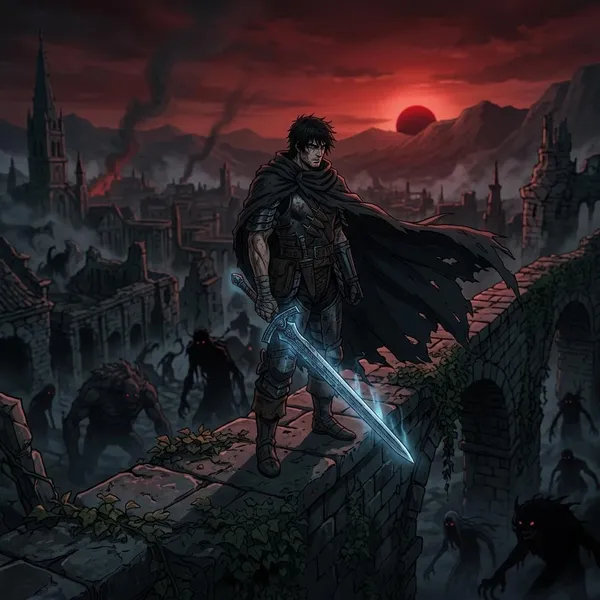
If you are looking for a dragon raja anime review with a straight answer, Dragon Raja: The Blazing Dawn is worth trying if visuals, mood, and mystery matter more to you than tight storytelling. It is a stylish urban fantasy donghua with some excellent production work, but its pacing and character payoff can be uneven enough to split viewers.
What Dragon Raja Does Best
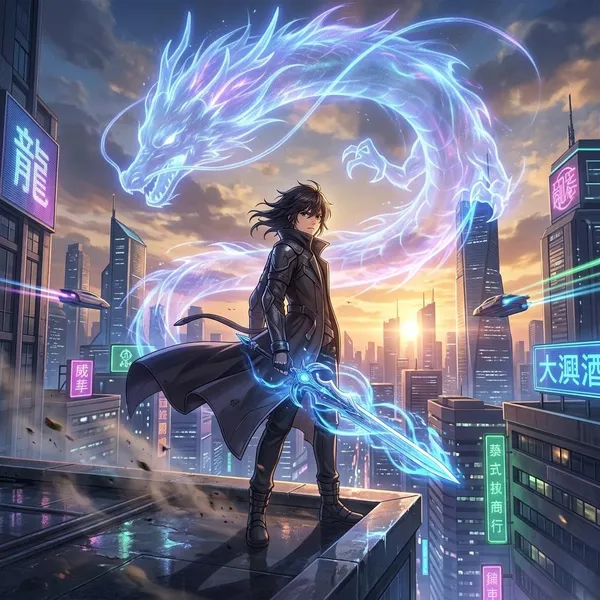
Dragon Raja is at its strongest when it sells the feeling of a hidden world: elite students, ancient dragon bloodlines, secret institutions, and danger sitting just beneath modern life. Before judging the plot, it helps to know that the show's biggest appeal is presentation. If you like anime or donghua that can win you over through atmosphere before every story piece clicks, this has real pull.
Polished Animation
The animation is the easiest reason to give Dragon Raja a chance. Character designs look sharp, effects are clean, and the lighting gives many scenes a cinematic finish. Cassell College, city locations, and supernatural spaces all have enough visual detail to make the world feel expensive rather than flat.
This polish matters because some story beats are not delivered as smoothly as they should be. During slower dialogue scenes, the show still gives you attractive framing, expressive faces, and a strong sense of place. For viewers who often drop fantasy shows because they look cheap, The Blazing Dawn clears that first hurdle easily.
Stylish Action
The action has confidence. Fights use speed, impact shots, supernatural effects, and dramatic entrances in a way that fits the series' larger-than-life tone. The best sequences are not only flashy; they make the characters feel dangerous and important.
- Best for: viewers who enjoy spectacle and stylish power displays.
- Less ideal for: viewers who need every fight to advance the plot cleanly.
- Watch for: direction, visual effects, and character presence more than tactical detail.
Strong Atmosphere
The show's mood is one of its most reliable strengths. It blends school life, hidden organizations, old myths, and modern urban fantasy without losing the feeling that something huge is moving behind the scenes.
That atmosphere helps when the plot gets clumsy. A mysterious conversation, a strange dream, or a quiet moment at Cassell College can keep the story interesting even when the episode itself is not perfectly paced. If you like the feeling of ordinary life opening into a secret supernatural system, this is where Long Zu works well.
Intriguing Dragon Lore
The dragon lore gives the series its long-term hook. Bloodlines, ancient conflict, hidden powers, and secret institutions suggest a world with history rather than a simple monster-fighting setup.
The delivery is not always elegant. Sometimes the show explains too much at once instead of letting the audience discover the rules naturally. Still, the core ideas are strong enough to make you want answers: what dragons really represent, why Lu Mingfei matters, and how Cassell College fits into the larger war.
Memorable Supporting Characters
The supporting cast often makes a stronger first impression than the protagonist. Nono brings warmth and confidence, Chu Zihang has cool intensity, Caesar has immediate presence, and Lu Mingze adds a more unsettling kind of mystery.
That matters because Lu Mingfei takes time to become compelling. When he is still hesitant or overwhelmed, the side characters give scenes momentum. They also make Cassell College feel like a real institution with rivalries, status, secrets, and people who existed before the main character arrived.
Where Dragon Raja Struggles
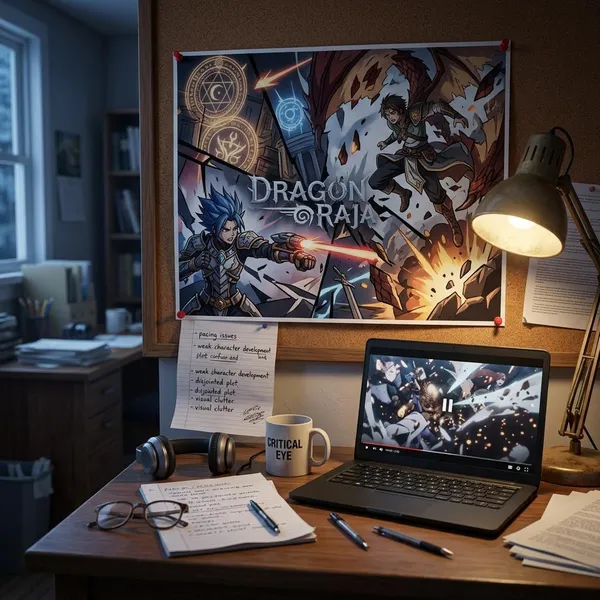
The main problem is not that Dragon Raja lacks ideas. It has plenty. The issue is that the show does not always know how to pace those ideas, when to explain them, or how to shift between humor, drama, mystery, and action without breaking the mood.
Uneven Pacing
The pacing is the biggest weakness. Some episodes linger on setup or repeated emotional beats, while other moments that should feel important arrive too quickly. That creates the odd feeling of a show that is both slow and rushed.
This will matter most if you prefer a clean season arc. A weekly viewer may enjoy the mystery and visuals in smaller pieces, but a binge-watcher is more likely to notice when the middle stretch stalls or when answers are delayed without enough new tension.
Heavy Exposition
Dragon Raja often explains its world directly. Some exposition is expected in a fantasy story with dragon bloodlines, secret organizations, and unusual powers, but the placement can be awkward. When information interrupts a tense scene, the momentum drops.
Abrupt Tone Shifts
The tone can swing hard between emotional drama, school comedy, supernatural danger, and mystery. Lighter scenes are not the issue by themselves; they can make the cast more human. The problem is when a serious moment is undercut before it has time to land.
Slow Character Growth
Lu Mingfei's development is intentionally slow, but the show sometimes asks for more patience than it earns. His insecurity and hesitation make sense, yet progress is not always visible enough from episode to episode.
This is where viewer expectations matter. If you enjoy long-form character arcs, his slow start may feel like groundwork. If you want a lead who quickly takes charge, he can make the season feel less satisfying than its action scenes suggest.
How Lu Mingfei Works as a Protagonist
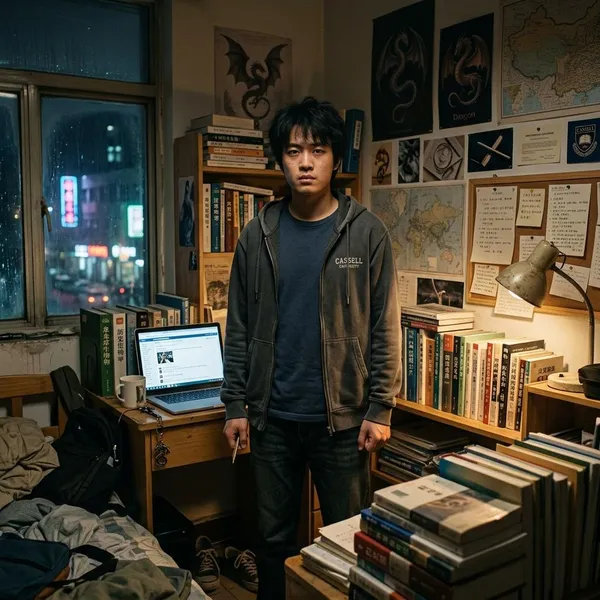
Lu Mingfei is the make-or-break character for many viewers. He is not a confident fantasy lead who enters a hidden world and immediately adapts. He starts lonely, insecure, and unsure of his own value, which makes him believable but not always exciting to watch.
His Insecurity Makes Him Relatable
Mingfei's insecurity feels tied to his background rather than added for drama. He reacts like someone who has not been treated as special and does not know what to do when a dangerous world suddenly insists that he matters.
That gives the story a more vulnerable emotional center. Instead of becoming brave because the plot needs a hero, he often looks frightened, awkward, or emotionally stuck. For viewers tired of instant power-fantasy protagonists, that can be refreshing.
His Passivity Can Be Frustrating
The drawback is that Mingfei often reacts instead of acts. Stronger personalities move the plot around him, and the contrast becomes sharper whenever characters like Nono, Chu Zihang, or Caesar take control of a scene.
- If you like hesitant leads: his passivity may feel human and intentional.
- If you prefer decisive leads: he may seem like the least interesting person in his own story.
- If you are unsure: give the show a few episodes, but do not expect an instant transformation.
His Growth Takes Time
Mingfei's arc seems built for long-term payoff rather than quick satisfaction. That choice fits the themes of fear, identity, and hidden potential, but it also makes the first season feel incomplete in places.
The risk is that slow growth can start to feel like waiting. A character does not need to become powerful right away, but the audience needs regular signs that he is changing. Dragon Raja has those signs, but they are subtle enough that some viewers may not find them rewarding yet.
Who Should Watch Dragon Raja
The easiest way to decide is to separate what you want most from a fantasy series. Dragon Raja is a stronger recommendation for viewers who value style, setting, and mystery than for viewers who need tight plotting and fast character payoff.
| Viewer priority | Recommendation |
|---|---|
| Visual spectacle and action | Worth watching |
| Urban fantasy atmosphere | Strong match |
| Fast answers and clean pacing | Approach with caution |
| Proactive main characters | May be frustrating |
Action Fans Who Value Visuals
If your main reason for watching is spectacle, Dragon Raja is easy to recommend. The action looks good, the effects have weight, and the show knows how to make dramatic moments feel big.
Urban Fantasy Fans
Urban fantasy fans are probably the safest audience for this series. Cassell College works as a gateway into a hidden supernatural world, and the mix of modern life, elite institutions, ancient powers, and secret danger gives the setting a strong identity.
Viewers Who Enjoy Mystery
The show gives mystery-focused viewers plenty to chew on: Lu Mingze, dragon history, bloodlines, Cassell College, and Lu Mingfei's role all create questions worth following.
Just expect a slow-burn style of mystery. If you enjoy waiting for larger context and reading between scattered clues, that can be part of the appeal. If unresolved threads make you impatient, the season may feel like it is constantly promising a payoff just out of reach.
Donghua Fans Looking for Big Production
For donghua fans, Dragon Raja is worth sampling because it feels ambitious. The production has scale, the music supports the drama, and the visual identity is strong enough to stand out.
It can also work for anime fans who are curious about donghua but want something familiar enough to enter easily. The hidden-school setup, supernatural conflict, and stylish action are accessible. The important adjustment is expectation: this is not a flawless must-watch, but it is a high-production series with enough strengths to justify the time for the right viewer.

Conclusion
Dragon Raja: The Blazing Dawn is a stylish but uneven watch: try it if you want polished animation, moody urban fantasy, and dragon-lore mystery, but lower your expectations if pacing and protagonist agency are deal-breakers. Its best moments make the world feel exciting and expensive; its weaker moments make the season feel more like setup than full payoff. For the right viewer, that trade-off is acceptable, but it is not a universal recommendation.