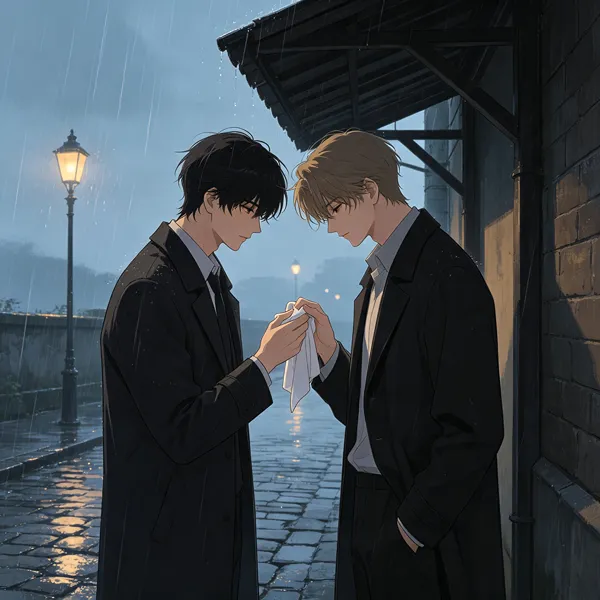
Anohana is worth watching if you want a short, emotionally direct anime about grief, old friendships, and the guilt people carry after childhood loss. It is not subtle all the time, and a few romantic or comic moments get in the way, but its best scenes are sincere enough to justify its reputation. For an anohana anime review, the practical answer is simple: watch it for the friend group and the ending, not for a complex supernatural plot.
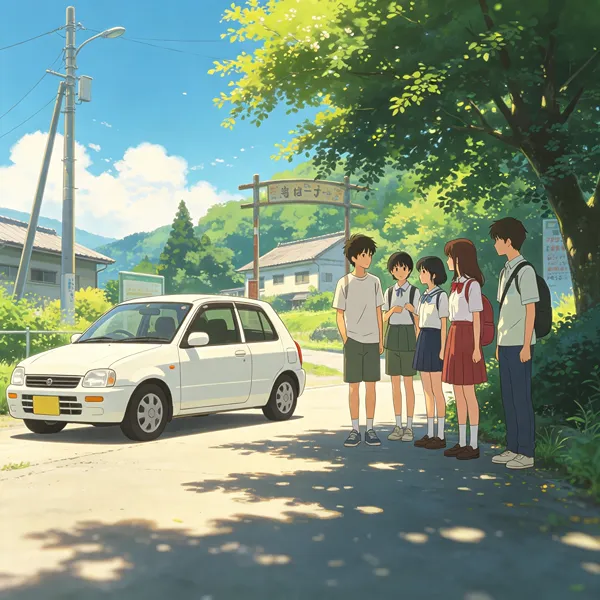
What Anohana is about
Anohana: The Flower We Saw That Day follows a group of childhood friends who fell apart after the death of Menma, one of the most loved members of their group. Years later, Jinta begins seeing Menma again, and her return forces everyone to face what they avoided for years.
The supernatural idea is simple, but the series is not really trying to be a ghost mystery. The main question is whether these friends can stop treating the past like something buried and finally admit how Menma's death changed them.
Jinta has withdrawn from his old friends
Jinta starts the series shut away from school, friends, and normal teenage life. That isolation is important because it shows grief as something practical and daily, not just something expressed through one dramatic scene. He is not a cool loner; he is someone whose world has become smaller because he never moved past what happened.
Menma suddenly returns with an unfulfilled wish
Menma's return gives the story its hook. She appears cheerful and familiar, but she cannot move on until her forgotten wish is fulfilled. Jinta is the only one who can see her at first, which makes the situation feel both intimate and uncomfortable.
What works is that Menma is not used as a horror device. She is a gentle disruption. Her presence makes denial impossible, especially for people who had built entire lives around not saying her name too honestly.
The Super Peace Busters reunite after years apart
The reunion of the Super Peace Busters is awkward before it is touching. These characters were once inseparable, but now every conversation carries suspicion, embarrassment, resentment, or guilt. That makes the group feel more believable than a friendship that instantly heals because the plot needs it to.
- Jinta avoids the past by withdrawing.
- Anaru struggles with insecurity and old feelings.
- Yukiatsu carries grief in a more aggressive, complicated way.
- Tsuruko and Poppo show quieter forms of pain.
Old guilt and grief begin to surface
Once the group starts spending time together again, the story becomes less about granting Menma's wish and more about exposing everyone else's unfinished business. Some characters want forgiveness. Some want proof that their pain matters. Others are afraid that being honest will make them look worse than they already feel.
This is where Anohana becomes more effective than a simple sad-anime recommendation. It understands that grief can look like silence, jealousy, overconfidence, kindness, anger, or avoidance depending on the person carrying it.
What Anohana does exceptionally well
It is also a good choice if you want an emotional story that does not demand a huge time commitment. At 11 episodes, it works well as a weekend watch, especially if you want something focused rather than a long ensemble drama with many side plots.
Grief affects every character differently
This is the anime's best feature. Menma's death did not freeze everyone in the same way, and the series is careful about showing that difference. Jinta shuts down, Yukiatsu lashes out through pride and obsession, Anaru tries to balance fitting in with old guilt, while others appear calmer than they really are.
Childhood memories give the conflict real weight
The secret base, the group nickname, summer streets, and familiar routines all make the past feel specific. The loss is not only Menma herself; it is the collapse of a childhood world the characters thought would last forever.
This is especially effective for viewers who have ever gone back to an old neighborhood or met childhood friends after years apart. Even without the tragedy, that feeling of "we used to belong here together" is recognizable. Anohana attaches that ordinary nostalgia to grief, which gives the setting real emotional weight.
Friendship remains more important than romance
The romantic tension is present, but the real heart of the series is friendship. The most important scenes are about apology, resentment, memory, and the fear of saying something too late.
That distinction helps when deciding whether the anime is right for you. If you want a romance-first drama, Anohana may not fully satisfy that craving. If you want a story about a broken friend group trying to become honest again, it is much stronger.
The finale delivers a powerful emotional payoff
The final episodes are the main reason Anohana still gets recommended so often. The ending is designed to make viewers emotional, but it does not come from nowhere. By then, the group's guilt, affection, denial, and longing have been built carefully enough for the release to feel earned.
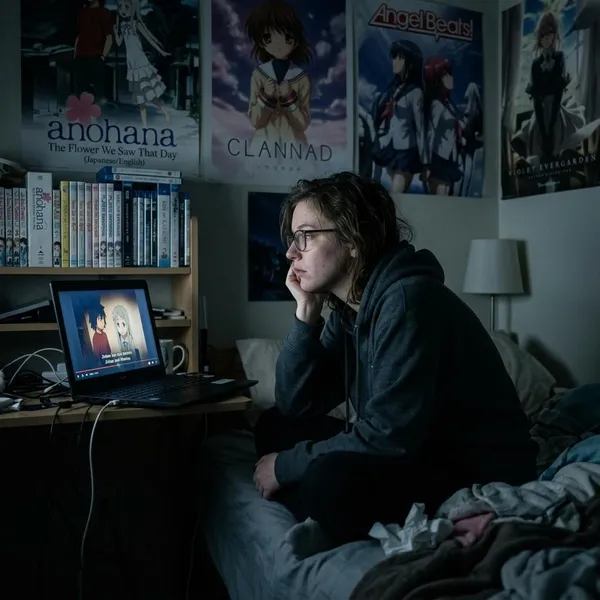
Where Anohana falls short
Anohana is easy to recommend, but it is not flawless. The biggest thing to check before watching is your tolerance for melodrama. The series often chooses big emotional release over restraint, and that can either feel cathartic or too obvious depending on what you like.
| If you like... | You may respond to Anohana this way |
|---|---|
| Openly emotional dramas | The big confessions and final episodes will probably work for you. |
| Quiet, understated grief stories | Some confrontations may feel too loud or pushed. |
| Short, focused anime | The 11-episode length is a strength. |
| Fully developed side arcs | You may wish several conflicts had more room. |
Why the characters make Anohana memorable
The plot of Anohana is simple, so the characters have to carry most of the weight. They do, because each one represents a different way of surviving the same childhood tragedy. The anime is most convincing when it shows how coping can become a personality if it goes unchallenged for long enough.
Jinta struggles to move beyond isolation
Jinta's growth is not about becoming heroic in a traditional sense. It is about becoming reachable again. Menma's return forces him to leave the private space where his guilt has been sitting untouched, but the harder step is facing the living friends he avoided.
That makes his arc useful even for viewers who do not usually connect with shut-in protagonists. His isolation is not treated as an aesthetic. It is shown as a painful habit that has cost him years of ordinary life.
Menma connects the group's past and present
Menma works because she is both comforting and disruptive. She reminds the group of warmth, innocence, and the affection they once shared, but her return also makes it impossible to keep pretending that everyone has moved on.
Her gentleness keeps the anime from becoming only bitter. The sadness lands harder because she represents something genuinely loved, not just something tragically lost.
Tsuruko and Poppo carry quieter forms of guilt
Tsuruko and Poppo are easy to underestimate at first because their pain is less loud. That restraint is exactly why they matter. Not everyone breaks down visibly after loss; some people observe, perform normality, stay useful, or keep moving because stopping would make the guilt louder.
For viewers who find the more dramatic characters overwhelming, these two give the story a different emotional texture. They show that grief can be controlled on the surface and still be deeply unresolved.
How the visuals and music support the story
Anohana is not visually impressive because of action or spectacle. Its strength is atmosphere: warm light, quiet streets, familiar rooms, and the feeling of a summer that should have been ordinary but became permanent in everyone's memory.
The music works in the same direction. It does not always stay invisible, especially near the end, but its best use is to support emotional buildup rather than replace it.
Soft summer imagery creates a nostalgic mood
The summer setting gives the anime much of its emotional identity. Long afternoons, greenery, and soft light make the past feel close, almost too close. That matters because the characters are not only grieving Menma; they are grieving the version of childhood that ended with her.
Familiar places reflect the group's shared past
Recurring locations, especially the group's old base and the town around it, help the story avoid too much explanation. A place can carry memory faster than dialogue can. When the characters return to these spaces, the viewer can feel how much history is sitting there before anyone says anything.
This is one reason the small scale works. The town does not need to be large or complicated. It only needs to feel like a place where these people once belonged together.
Quiet scenes give difficult emotions room to breathe
Some of the most effective moments are built around hesitation rather than confession. A character looking away, pausing too long, or failing to say the honest thing can be more painful than another shouted argument.
That restraint gives the heavier scenes room to matter. If every moment were equally intense, the ending would not hit as hard.
The soundtrack strengthens the final episodes
The soundtrack becomes especially important near the finale, where the series gathers years of guilt and affection into one emotional release. The music is memorable because it arrives after the character work has already done most of the lifting.
If you are sensitive to music-driven tearjerkers, this may feel very intentional. Even so, the final stretch is effective because the soundtrack supports emotions the story has already earned.
Conclusion
Anohana is worth watching if you want a short anime that treats grief as messy, personal, and tied to the friendships people lose along the way. It is not the best choice if you dislike melodrama or want every side conflict fully explored, but its emotional core is strong enough to outlast those flaws. Go in expecting a sincere, sometimes heavy-handed, but genuinely affecting story, and the finale is likely to stay with you.