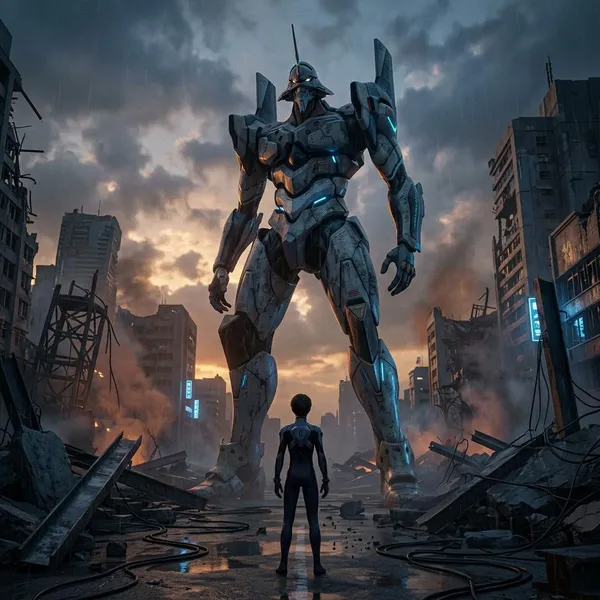
Bleach is still worth watching, but the answer depends heavily on how you watch it. A fair bleach anime review has to separate the strong canon story from the old weekly-anime baggage: slow starts, filler detours, and fights that sometimes take longer than they should. If you follow the main arcs and save Thousand-Year Blood War for after the original story, the series holds up much better than its episode count suggests.
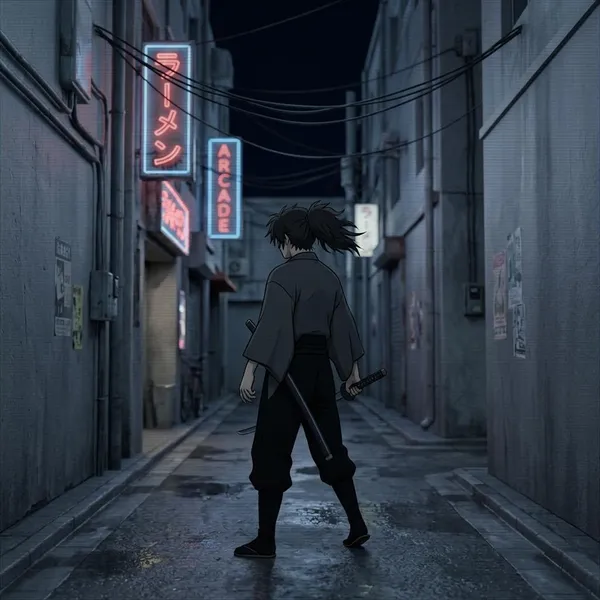
Where the original Bleach anime struggles
The original Bleach anime has the strengths people remember: sharp character designs, excellent music, stylish sword fights, and a supernatural world that grows far beyond its first premise. Its problems are just as real. It was adapted as a long-running weekly show while the manga was still ongoing, so the anime often had to slow down, pause the main plot, or make room for anime-only material.
The opening episodes take time to build momentum
The first stretch is smaller and slower than the version of Bleach many fans talk about. It spends time on Ichigo's home life, his ability to see spirits, Rukia's arrival, and the basic rules of Soul Reapers and Hollows.
If you are coming from fast modern shonen, this can feel underwhelming. The better way to read those episodes is as setup, not the full pitch. They explain why Ichigo protects people instinctively, which becomes important once the story leaves ordinary Karakura Town behind.
Filler arcs interrupt the main story
Filler is the biggest practical obstacle for a first-time viewer. Some anime-only episodes are harmless, but full filler arcs can appear right when the canon story is building urgency, which makes the show feel like it has forgotten its own stakes.
- First watch: skip major filler arcs and stay with the canon plot.
- Returning fan: revisit filler only if you want extra time with the cast.
- Casual viewer: use a filler guide from the start rather than guessing.
Some battles and conflicts feel stretched
Several fights still look cool because Bleach understands entrances, power reveals, and dramatic standoffs. The issue is that some confrontations are padded with repeated reactions, long pauses, or explanations that slow the impact.
Later arcs vary in pacing and consistency
The later parts of the original anime are uneven. Some sections add useful lore, character history, and memorable battles; others feel like they are moving sideways before the next major reveal.
This is why opinions on the series can sound completely different. One viewer remembers the best Captain battles and iconic transformations. Another remembers the slower middle stretches. Both reactions are fair, and a selective watch order helps reduce the frustration without losing the story.
The full episode count can intimidate new viewers
Hundreds of episodes look like a serious commitment, especially if you only want to know whether the franchise is worth your time. Treating Bleach as one giant binge is the wrong approach.
A more realistic plan is to watch by major canon arcs. Make Soul Society your first real checkpoint. If that arc does not work for you, the rest probably will not change your mind enough. If it does work, the longer journey becomes much easier to justify.
How the original Bleach story develops
The appeal of the original anime is not only the fighting. Bleach starts with a teenager dragged into supernatural duties, then expands into Soul Society politics, rival factions, hidden histories, and questions about identity and responsibility. Ichigo is not chasing a title or a grand dream; he fights because someone close to him is in danger.
That emotional simplicity gives the bigger arcs a solid base. The series is at its best when style, loyalty, grief, pride, and duty all collide in the same scene. Even when the pacing wobbles, the world and cast often remain interesting enough to keep going.
The early episodes introduce Ichigo's new life
Ichigo begins as someone already connected to the spirit world, which makes his jump into Soul Reaper duties feel less like a random power fantasy and more like a burden he was almost waiting to meet. His family, classmates, and bond with Rukia give the early story its human side.
Soul Society transforms the series
Soul Society is where Bleach becomes the anime most people remember. The rescue mission gives the plot a clear goal, the setting becomes larger, and the Captains and Lieutenants immediately make the world feel dangerous and stylish.
The Arrancar conflict expands the world
The Arrancar material raises the scale. The enemies have their own hierarchy, aesthetic, and philosophy, and Ichigo's powers become more complicated. Many of the franchise's most recognizable transformations and rivalries come from this part of the story.
The trade-off is pacing. The highs are high, but the path between them can be slow. This is a good arc for viewers who enjoy long shonen build-up; it is a harder sell for someone who mainly wants tight storytelling.
The Lost Agent arc brings the story closer to home
The Lost Agent arc narrows the focus after much larger conflicts. Instead of trying to outscale everything before it, it puts more pressure on Ichigo's uncertainty, loss of control, and relationship with power.
That smaller approach divides viewers. If you like character-driven pauses between wars, it can feel refreshing. If you mainly watch Bleach for big faction battles, it may feel like a bridge. Either way, it adds context before the final phase of the story.
Each major arc prepares viewers for the final war
The original series works cumulatively. Soul Society introduces the structures and loyalties. Arrancar expands the threat level. Lost Agent pulls Ichigo's identity back into focus. None of these arcs is perfect, but each one gives Thousand-Year Blood War more weight.
How Thousand-Year Blood War changes the review
Bleach: Thousand-Year Blood War changes the overall verdict because it shows what the franchise can feel like with modern production, tighter pacing, and a more focused adaptation. It does not erase the original anime's flaws, but it makes the full journey easier to recommend.
For older fans, it feels like delayed payoff. For new viewers, it proves that Bleach is not only a nostalgic 2000s title. The catch is simple: the new series works best as a reward, not a shortcut.
Modern animation strengthens the action
The visual upgrade is immediate. Lighting, effects, camera movement, and impact all make the fights feel sharper than most of the original run. That matters because Bleach has always relied heavily on visual style: silhouettes, sword releases, uniforms, transformations, and dramatic entrances.
Faster pacing keeps the conflict moving
Thousand-Year Blood War moves with far more urgency. Major events happen quickly enough to keep the war feeling dangerous, and the adaptation spends less time on the kind of padding that hurt parts of the original anime.
A darker tone raises the emotional stakes
The final arc feels harsher and more consequential. The violence is heavier, the mood is colder, and the sense of loss is stronger than in much of the original anime.
That tonal shift works because the groundwork already exists. A darker story only matters if you care who is being hurt, tested, or changed. Without the original series, some of that weight turns into simple spectacle.
Long-running characters receive major payoffs
One of the biggest pleasures of Thousand-Year Blood War is seeing long-running characters receive moments that feel overdue. Captains, rivals, and supporting figures get reveals or battles that reward years of curiosity.
This is where a returning fan has an advantage over a shortcut viewer. If you have watched these characters grow, disappear, return, or hide parts of their strength, the final arc feels much more satisfying.
The story works best after the original series
Starting with Thousand-Year Blood War is not a good idea unless you only care about animation and action clips. Too many relationships, betrayals, powers, and emotional turns depend on earlier context.
The best way to watch Bleach today
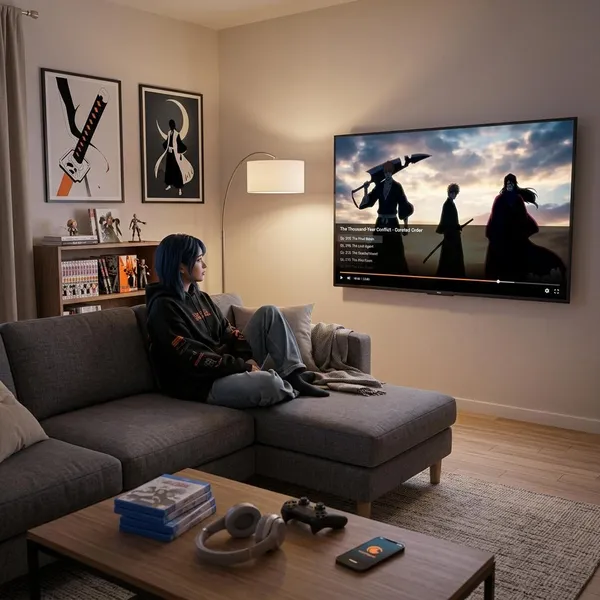
The smartest way to watch Bleach now is not to press play on every episode without a plan. Start with the canon story, skip the major filler arcs, keep the episodes that build important relationships, and treat Thousand-Year Blood War as the continuation.
Different viewers should approach it differently. If you are a casual anime fan, aim for momentum and do not feel guilty about skipping filler. If you already love long shonen like One Piece or Naruto, you may be more tolerant of slower build-up. If you are returning after years away, a recap may be smarter than restarting from episode one.
Begin with the original canon storyline
The original canon storyline is still the right entry point because it establishes Ichigo, Rukia, Soul Society, and the emotional rules of the franchise. Older visuals are not the main problem; the real challenge is patience during the setup.
Skip filler arcs without losing the main plot
You can skip most filler without losing the central story. This is not about being a purist; it is about protecting the pace of a long anime that already asks for a lot of time.
- Skip first: long anime-only arcs that interrupt canon momentum.
- Keep if curious: short side episodes after you already like the cast.
- Avoid on a first watch: anything that makes you forget the main conflict.
Keep important character-building episodes
Do not confuse "slow" with "useless." Some quieter episodes help later scenes land because they show Ichigo's family ties, Rukia's importance, or the personalities inside Soul Society.
Watch Thousand-Year Blood War afterward
Thousand-Year Blood War should come after the original story. Watching it afterward lets you feel the production jump, but more importantly, it turns big reveals and character moments into payoffs instead of confusing names on a battlefield.
Use a recap only when returning after a long break
A recap is useful if you stopped for months or years and mainly need to remember factions, recent conflicts, and character status. It is less useful for a first-time viewer because it can flatten emotional moments into plot points.
Conclusion
Bleach is easiest to recommend when you do not treat the original anime as an all-or-nothing commitment. Watch the canon story, skip the filler that damages momentum, give the series until Soul Society to prove itself, and save Thousand-Year Blood War for when its payoffs will actually matter. If you like stylish supernatural action with a large cast and can accept some old-school pacing, the franchise is still worth the time.