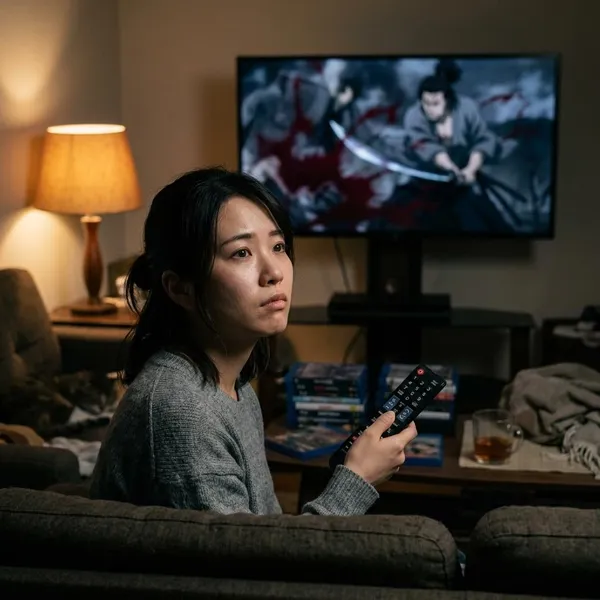
Lord of Mysteries is impressive, but it is not an easy first watch. If you want a simple fantasy adventure, the opening may feel overloaded; if you enjoy occult mysteries, layered rules, and a show that expects close attention, it has a lot to offer. A fair lord of mysteries anime review has to say both things clearly: the production is excellent, but the onboarding is rough.
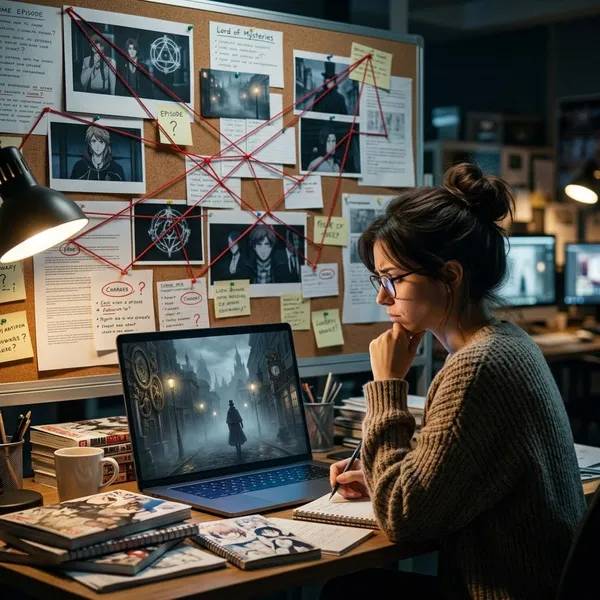
Why is Lord of Mysteries so confusing?
The confusion mostly comes from speed, not from poor ideas. The anime introduces Klein, occult rituals, churches, secret groups, Beyonder powers, symbols, and political tension before most viewers have a stable map of the world.
Too much lore arrives at once
The early episodes ask you to absorb a lot: Klein's strange situation, the gray fog, tarot imagery, ritual language, investigators, churches, Beyonders, pathways, sequences, and the danger of supernatural knowledge. The problem is not that these elements are uninteresting. The problem is that they arrive before the viewer knows which details deserve attention first.
Factions appear without enough setup
Churches, official investigators, hidden organizations, and suspicious individuals enter the story quickly. The anime gives them mood and visual identity, but it does not always slow down enough to explain how their goals differ.
That matters because this is a mystery built on institutions. If you cannot tell who represents order, who controls forbidden knowledge, and who is an active threat, several scenes can blur together. The distinctions do become clearer, but the first stretch expects patience.
The power system needs more context
The Beyonder system is one of the strongest parts of Lord of Mysteries, but it has a learning curve. Potions, pathways, sequences, formulas, acting methods, corruption, and loss of control all matter, and the anime does not explain them in one clean lesson.
- What to understand first: power comes from structured advancement, not random magic.
- What raises the stakes: gaining power can damage the user if handled badly.
- What can wait: every pathway name and rank detail does not need to click right away.
Scene changes move too quickly
The show often jumps from investigation to ritual, from conversation to revelation, and from ordinary rooms to symbolic spaces. That rhythm gives the anime energy, but it can also make important moments feel underlined too briefly.
If you watch one episode at a time with full attention, the pace is demanding but manageable. If you binge late at night or keep checking your phone, it becomes much easier to miss a small clue that makes the next scene feel abrupt.
Does the world-building justify the effort?
For viewers who like dense fantasy, yes. The setting is the main reason to push through the difficult opening. It has a distinct occult-steampunk identity rather than feeling like a standard fantasy world with different names attached.
The better question is whether you enjoy delayed understanding. Lord of Mysteries often lets a detail feel strange first and useful later. That can be satisfying, but it is not the best fit for someone who wants every rule explained before the plot moves on.
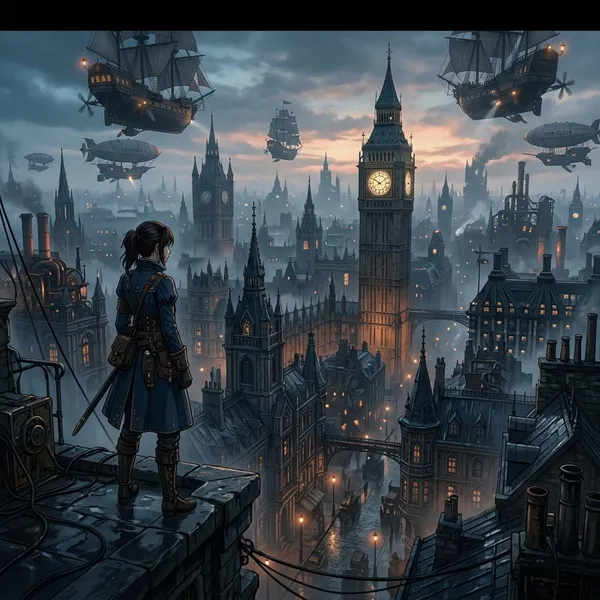
A distinct occult setting
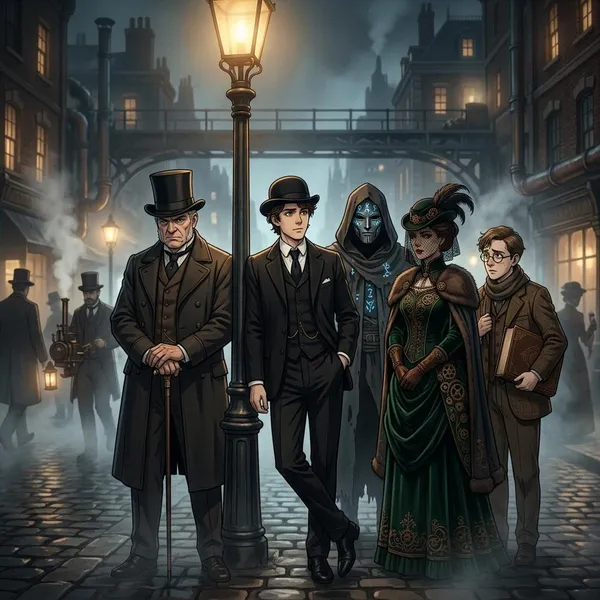
The Victorian-inspired city, formal clothing, newspapers, offices, churches, and dim interiors give the supernatural elements something solid to invade. A ritual feels more unsettling when it happens in a room that looks socially ordinary and historically grounded.
That contrast is one of the anime's best tricks: daily life appears structured, but hidden knowledge can break that structure at any moment.
A layered Beyonder system
The Beyonder system works because advancement is not just a reward. It changes what characters can do, but it also brings danger, instability, and moral pressure. That gives power progression a weight many fantasy shows lack.
This is where the series becomes more rewarding for attentive viewers. A fight or investigation is not only about who is stronger; it is also about what kind of power is being used, what it may cost, and how much the characters understand about the risk.
Compelling churches and secret groups
The churches and hidden organizations make the world feel older than Klein's personal story. They suggest history, hierarchy, fear, and compromise. Some groups appear protective, others manipulative, and several sit somewhere uncomfortable in between.
That ambiguity gives the setting more bite. The anime is at its best when it makes "safe" institutions feel necessary but not entirely reassuring.
A strong mix of steampunk and horror
The steampunk side gives the world order: industry, bureaucracy, formal investigation, and city life. The horror side keeps reminding you that order is fragile. Forbidden knowledge, spiritual corruption, and entities beyond normal understanding make progress feel useful but never fully safe.
- Best fit: viewers who enjoy mystery, cosmic horror, ritual magic, and slow-burn lore.
- Risky fit: viewers who need clear explanations early or prefer character comedy and emotional warmth.
- Worth trying: anyone who likes shows where the world itself feels like a puzzle.
Do the characters leave an impact?
The characters work, but the season is more plot-led than character-led. Klein and Dunn stand out clearly, while the supporting cast often feels promising rather than fully developed.
Klein carries the central mystery
Klein works because he is not just a viewer stand-in. He is cautious, observant, and clearly unsettled by the world he has entered, even when he tries to act composed. That tension makes him easy to follow through dense material.
His connection to the gray fog also gives him a stronger hook than a typical fantasy lead. He is learning the rules, but he is also tied to something larger and more suspicious than he understands.
Dunn brings emotional weight
Dunn Smith gives the season a grounded human center. His calm authority and visible fatigue make the supernatural danger feel less like stylish lore and more like work that costs people something.
He is memorable because he does not need exaggerated drama to matter. In a world full of hidden rules, his restraint makes the danger feel more believable.
The supporting cast gets limited time
The supporting characters often make good first impressions through design, voice work, or one sharp scene, but many of them do not get enough room to become fully memorable. That is the trade-off of adapting a large story into a compact season.
Plot often comes before character depth
The show usually prioritizes clues, danger, institutions, and progression over quiet character reflection. That choice fits the mystery-horror structure, but it also means some emotional beats pass quickly.
For a viewer who values lore first, this balance is acceptable. For someone choosing a show mainly for relationships, inner conflict, or slow character bonding, Lord of Mysteries may feel colder than expected.
How good are the animation and sound?
The audiovisual side is the easiest part to praise. Even when the story feels dense, the backgrounds, lighting, effects, action, and music make the anime feel polished and expensive in the right way.
More importantly, the presentation supports the mood. It does not just look good in screenshots; it helps sell the sense that this world is elegant on the surface and rotten with secrets underneath.
Detailed and atmospheric backgrounds
The background art gives the setting weight. Offices, streets, churches, apartments, and ritual spaces feel designed with care, which matters because the show depends heavily on atmosphere.
Lighting does just as much work as detail. Fog, lamplight, shadows, and muted interiors create the feeling that danger is close even when no monster is on screen.
Cinematic supernatural effects
The supernatural effects are dramatic without always turning into noise. Ritual scenes, distortions, symbolic imagery, and gray fog sequences feel ceremonial and strange, which fits the occult tone better than simple flashy spectacle.
The best moments make you feel importance before you fully understand meaning. That is exactly the kind of visual storytelling this adaptation needs.
Smooth action and effective CGI
The action is generally readable, with clear movement and enough spatial logic to follow who is in control. That is important because fights in this series are tied to abilities, risk, and tactical decisions rather than pure physical force.
The CGI may still bother viewers who dislike hybrid animation, but it is handled more cleanly than in many comparable productions. It usually supports the scene instead of pulling attention away from it.
Music that strengthens the mystery
The soundtrack gives the anime a lot of its emotional shape. It adds dread to investigations, scale to supernatural moments, and restraint to quieter scenes where the script has little time to slow down.
That matters because the pacing can be abrupt. Good music helps signal whether a moment should feel ominous, tragic, or revelatory, making the dense storytelling easier to follow.
Conclusion
Lord of Mysteries is worth watching if you are willing to meet it halfway: pay attention early, accept that some rules will make sense later, and treat the season as a dense occult mystery rather than a relaxed fantasy introduction. It is not the easiest recommendation for casual viewers, but for anyone drawn to secret organizations, dangerous power systems, and a richly built steampunk-horror world, the rough opening is a fair price for something this distinctive.