If you are checking naruto anime reviews to decide whether the original series is still worth your time, the short answer is yes—but only if you are willing to manage the filler. The main story still has strong characters, emotional rivalries, memorable fights, and a clear underdog hook, while the weaker stretches can make the 220-episode run feel much older than its best moments.

What the original Naruto anime is about
The original Naruto begins as a story about a loud, lonely boy trying to be noticed, then grows into a bigger shonen drama about friendship, revenge, duty, and the cost of living in a ninja village. Its strongest early appeal is simple: Naruto wants respect, but the world around him keeps giving him reasons to feel unwanted.
Naruto wants to become Hokage
Naruto's dream of becoming Hokage sounds childish at first, but it gives the series its emotional center. He does not only want to lead the village; he wants proof that the people who ignored him can finally see him as someone valuable.
That makes him an easy protagonist to root for, even when he is immature. His early mistakes are annoying by design, but they also make his progress feel earned instead of automatic.
Team 7 begins taking ninja missions
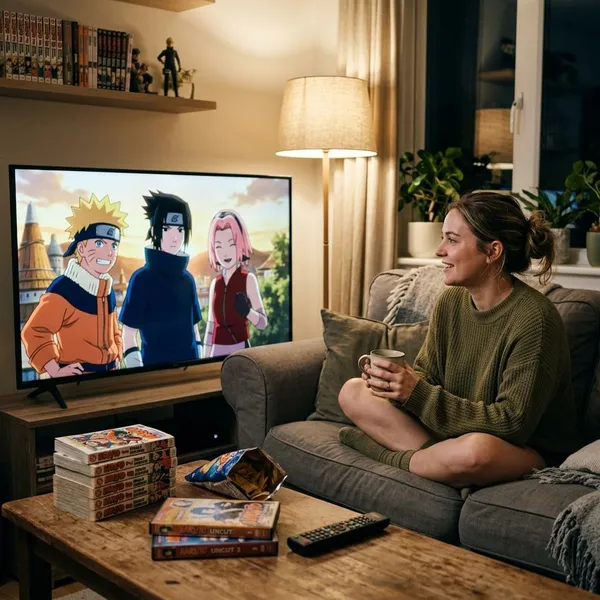
Team 7 is where the show starts to feel like Naruto rather than a school comedy. Naruto is impulsive, Sasuke is talented and distant, Sakura tries to keep up emotionally and practically, and Kakashi brings the calm authority the group badly needs.
Rivalries grow into larger conflicts
Naruto and Sasuke's rivalry starts as classroom competition, but it becomes one of the main reasons the story has weight. Naruto envies Sasuke's talent and attention; Sasuke resents weakness, distraction, and anything that pulls him away from his own pain.
As villains like Orochimaru enter the story, that rivalry stops being only personal. It connects to revenge, forbidden power, clan history, and the darker side of the ninja world.
Personal struggles shape the main story
The original series works best when its action is tied to emotional pressure. Many characters are not simply fighting to win; they are trying to prove something, escape something, or avoid being alone again.
- Loneliness drives major choices. Naruto, Sasuke, and Gaara all show different reactions to being isolated.
- Talent is not treated as simple luck. Gifted characters often carry pressure, trauma, or expectation with them.
- Belonging matters as much as strength. Teams, teachers, clans, and villages shape how characters see themselves.
What Naruto does well
The original Naruto became a classic because its best moments are easy to feel, not just easy to explain. It knows how to turn a tournament fight, a training scene, or a quiet character reveal into something emotionally memorable.
Its biggest strengths are worth separating from nostalgia. Even if you are watching it now for the first time, the core appeal is still there: clear motivations, strong rivalries, smart fight setups, and music that gives key scenes extra force.
Emotional underdog storytelling
Naruto's underdog story is direct and effective. He starts with poor control, little respect, and a habit of covering hurt with noise. Watching him slowly earn trust gives the anime much of its long-term satisfaction.
Memorable ninja fights
The best fights are not memorable only because of special techniques. They usually involve strategy, deception, timing, and personal stakes, which makes them feel more like character tests than simple clashes of power.
The Chunin Exams are the clearest example. Some matchups reveal discipline, fear, arrogance, or desperation in a way that makes even side characters feel important for a while.
Strong rivalries and villains
Sasuke gives the story a sharper emotional edge because he is not just Naruto's opposite. He is a damaged character moving in a direction Naruto desperately wants to stop, and that makes their bond feel tense instead of decorative.
Orochimaru also gives the original anime one of its most effective threats. His presence changes the mood immediately: the story feels less like a competition and more like something dangerous has entered the room.
Engaging clans and village politics
The clan system, village ranks, exams, rival villages, and inherited techniques make the world feel larger than Team 7. The anime does not explain every political detail perfectly, but it gives enough structure for conflicts to feel connected to family history and village pressure.
Music that strengthens key scenes
The soundtrack does a lot of quiet work. It gives sadness, determination, danger, and nostalgia a recognizable sound, which is one reason certain scenes stay with people long after the pacing problems fade from memory.
The music is also useful during slower stretches. When the writing repeats an emotional point, a strong track can still help the scene land—though it cannot fully save every dragged-out moment.
Where Naruto falls short
The original Naruto is worth watching, but it is not a clean modern binge. Most of its problems come from the long weekly anime format: filler, repeated explanations, uneven pacing, and animation that clearly receives more care in some episodes than others.
Long stretches of filler
Filler is the biggest obstacle for new viewers. Some episodes are harmless, but long non-canon stretches can make the story feel like it has stopped moving.
If you are watching mainly for Naruto, Sasuke, Team 7, and the major emotional arcs, use a filler guide from the start. If you are doing a relaxed nostalgia rewatch and enjoy spending time with the cast, selected filler may bother you less.
Uneven pacing during major arcs
Even canon episodes can move slowly. Reactions are stretched, flashbacks return, and some scenes take longer to reach the point than they need to.
Repetitive flashbacks and explanations
The anime often tells you what a character feels after it has already shown you. That can weaken otherwise strong emotional scenes, especially when the same memory or motivation returns too frequently.
The backstories themselves are usually not the problem. The issue is how often the anime pauses to restate them.
Underused supporting characters
Naruto introduces a wide cast with distinct abilities and personalities, then gives uneven attention to many of them. Characters such as Rock Lee, Hinata, Neji, and Shino are memorable enough that their limited long-term focus can feel disappointing.
This is not a dealbreaker if you are mainly invested in Naruto and Sasuke. It is more frustrating if you prefer ensemble anime where many side characters keep developing at the same pace as the leads.
Inconsistent animation quality
The major fights often get the best visual treatment, but ordinary episodes can look flat or rough. That is common for older weekly anime, yet it still stands out if you are coming from newer shows with more consistent production.
For most viewers, the stronger fight choreography and emotional staging make up for it. If visual polish is one of your top priorities, the original series may feel uneven.
How filler affects the Naruto experience
Filler can completely change your opinion of the original anime. Watch every episode without guidance and the series may feel bloated; follow the main canon path and the emotional story becomes much easier to appreciate.
The best approach depends on your goal. A first-time viewer trying to judge the story should be selective. A returning fan who already loves the characters can treat filler as optional side content.
Canon arcs lose momentum
Canon arcs rely on tension: missions get worse, rivalries sharpen, and emotional choices start to matter. Filler interrupts that rhythm by pulling attention away from the conflicts the audience is waiting to see resolved.
Some side stories remain entertaining
A few filler episodes are fun because they let the cast breathe. Lower-stakes missions, comedy setups, or small character interactions can be enjoyable when you are not waiting for the main plot to continue.
The mistake is treating all filler as equally important. It works better as bonus material than as required viewing.
Later filler becomes easier to skip
Later filler blocks often feel more separate from the main emotional thread, which makes them easier to identify and avoid. If the story suddenly feels episodic, low-stakes, or disconnected from Naruto and Sasuke's central conflict, that is usually a sign to check an episode guide.
A filler list creates a tighter watch
For most new viewers, a filler list is the simplest way to get the best version of the original Naruto experience. It keeps the strong arcs close together and reduces the chance that you quit during material that was never essential to the main story.
- Check the guide before starting. Know which episodes are canon, mixed, or filler.
- Watch the major canon arcs first. Prioritize Team 7, the Chunin Exams, Orochimaru, and Naruto-Sasuke material.
- Skip large late filler blocks on a first watch. Come back later only if you want extra time with the cast.
Why Naruto's characters still stand out
The characters are the main reason the original anime still gets recommended. The powers and fights are fun, but the lasting pull comes from people who feel wounded, stubborn, proud, lonely, and desperate to be understood.
Naruto grows beyond his need for approval
Naruto starts by chasing attention, often in the loudest way possible. Over time, the series shifts that need into something healthier: he learns that real acknowledgment comes from trust, courage, and understanding other people's pain.
That growth is why he works for different age groups. Younger viewers may connect with his energy; older viewers may notice more of the sadness behind it.
Sasuke gives the story emotional tension
Sasuke keeps the story from becoming a simple inspirational rise. His trauma, pride, and desire for revenge create pressure that Naruto cannot solve just by being positive.
Their relationship matters because both characters are lonely, but they respond to loneliness differently. Naruto reaches outward; Sasuke pulls inward. That contrast gives the anime much of its emotional suspense.
Kakashi adds experience and mystery
Kakashi works because he is cool without taking over the story. He gives Team 7 structure, but the anime holds back enough of his past to make him feel like more than a standard mentor.
His calm attitude also helps balance the team. Without him, Naruto's impulsiveness and Sasuke's intensity would make the early group dynamic harder to believe.
The wider cast expands the ninja world
The supporting cast makes the village feel alive. Rock Lee brings discipline and effort, Hinata brings quiet courage, Neji brings family pressure, and Gaara shows what isolation can become when it turns poisonous.
Loneliness and belonging connect their stories
The strongest character writing keeps returning to the same human need: people want to be seen, accepted, and valued. That shared thread connects Naruto, Sasuke, Gaara, and several supporting characters without making them feel identical.
It is also why the anime survives its rougher parts. Viewers may skip filler or complain about pacing, but the emotional core is easy to remember.
Conclusion
The original Naruto is still worth watching if you want an emotional long-form shonen with strong rivalries, memorable fights, and characters who grow through pain rather than easy victories. The smartest way to watch it now is with a filler guide and realistic expectations: follow the canon story closely, sample optional episodes only when you want more time in the world, and do not let the weakest stretches define the whole series.