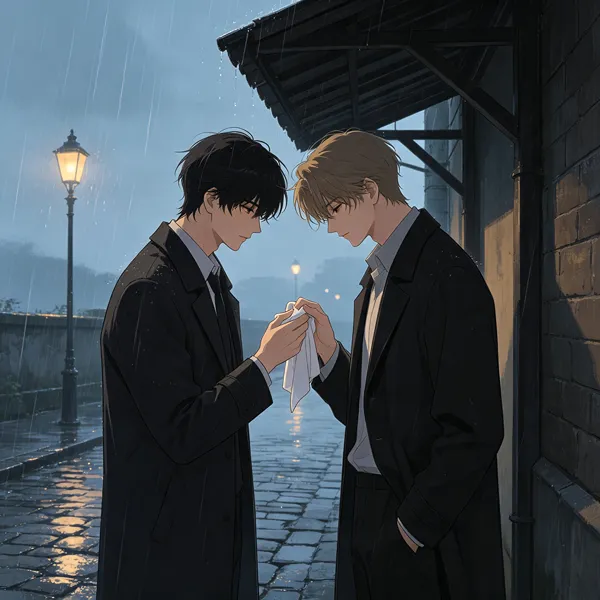
Wind Breaker is worth watching if you want clean hand-to-hand action, a likable found-family cast, and a hopeful delinquent story that does not demand a complicated plot map. This windbreaker anime review comes down to expectations: it is a strong pick for fast entertainment and Sakura's emotional growth, but a weaker one if you need layered villains, big twists, or gritty realism.

Is Wind Breaker worth watching
The easiest way to decide is to ask what you want from a delinquent anime. If you want stylish brawls, clear emotions, and a group you can quickly get attached to, Wind Breaker is an easy recommendation. If your favorite part of the genre is messy politics, betrayal, or long-term consequences, it may feel too clean.
Yes for fast action and likable characters
Wind Breaker works quickly because it does not hide its strengths. Sakura is prickly, insecure, and easy to read from the start, while Bofurin gives him a cast that softens the story without removing its attitude.
- Watch for: direct fights, strong impact, and quick emotional payoff.
- Do not watch for: complex power systems, mystery plotting, or morally grey crime drama.
- Best first check: if the early Sakura-and-Bofurin dynamic clicks, the rest of the season is likely to work for you.
Best for fans of hopeful delinquent stories
The show is most satisfying when treated as a warmer delinquent anime rather than a hard-edged gang story. Bofurin fights, but the group is framed as protective instead of predatory, which gives the series a surprisingly comforting mood. For viewers who like tough characters learning loyalty and trust, that hopeful angle is the main hook.
What Wind Breaker does well
The anime's best qualities are obvious and practical: the fights look good, the characters are easy to enjoy together, and Sakura's growth gives the action a reason to matter. It is not trying to be the most original series in the genre. It is trying to make familiar material feel sharp, warm, and satisfying.
Fluid hand-to-hand fights
The fights are the clearest selling point. Punches, dodges, footwork, and reactions are readable, so you can follow the rhythm of a clash instead of just watching flashy movement. That matters because the combat also shows personality: Sakura's aggression, another fighter's control, or a rival's pride can come through before anyone explains it.
If you usually prefer grounded brawls over supernatural battles, this is where Wind Breaker feels especially strong. The action has enough style to be exciting without becoming visually confusing.
Strong animation and visual polish
CloverWorks gives the show a clean, energetic look. The action cuts have weight, facial expressions are lively, and quieter scenes still have enough movement to avoid feeling flat. That polish matters more than usual because the story itself is simple; good presentation keeps familiar beats from feeling dull.
Warm chemistry across the cast
Bofurin is not just a lineup of cool fighters waiting for their turn. The teasing, support, and casual trust between members make the group feel inviting, which helps the anime stay enjoyable between fights.
Clear emotional growth for Sakura
Sakura's arc is simple, but it is effective. He starts out treating strength as proof that he deserves to exist in other people's eyes. The more time he spends with Bofurin, the more he has to face a different idea: being strong can also mean accepting help, protecting others, and trusting a place enough to stay.
Where Wind Breaker falls short
The main weaknesses come from the same simplicity that makes the anime easy to watch. It moves well, but it rarely surprises. It has emotional clarity, but not much ambiguity. For some viewers, that is a fair trade; for others, it will make the show feel lighter than its best scenes suggest.
Predictable story arcs
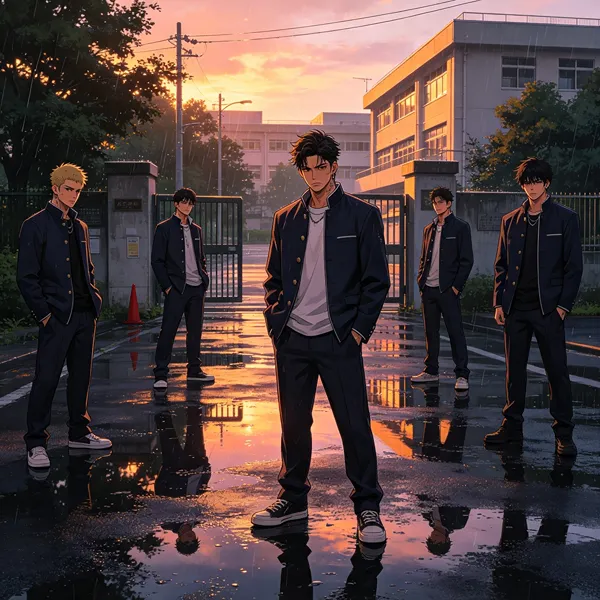
You can often sense the shape of an arc early: a rival appears, tension builds, fists settle the conflict, and an emotional reason follows. The execution is usually strong enough to keep things entertaining, but the plot itself is not where the anime finds its edge.
This is not a problem if you watch for mood and momentum. It becomes a bigger issue if you judge action anime by how often they surprise you.
Simple conflicts and villains
Most antagonists are built to challenge Sakura or Bofurin in a direct way. Their motives are clear, their role in the arc is easy to understand, and the show rarely pushes them into deep moral complexity.
- Good for pacing: conflicts start quickly and do not get buried in exposition.
- Bad for depth: some opponents feel temporary once their fight is over.
- Viewer test: if you need villains who haunt the story long after an arc ends, this may feel thin.
Limited depth outside the main cast
Several supporting characters are fun to watch, but the anime does not give everyone equal weight early on. Some characters stand out through design, attitude, or one strong moment rather than layered development.
A setting that requires some suspension of disbelief
The world runs on anime logic: adults are not the main force, school-age fighters settle major problems, and the town accepts Bofurin's role with unusual ease. If you need a realistic school setting, that can be distracting.
The better way to approach it is as a stylized emotional setup. The town exists to make questions of pride, protection, and belonging easy to dramatize. Accept that early, and the show becomes much easier to enjoy.
How Sakura's growth carries the anime
Sakura is the reason Wind Breaker has more staying power than a basic fight showcase. The anime does not need him to become a completely different person. It just needs him to slowly understand that strength means more when it connects him to people instead of keeping everyone away.
Isolation slowly gives way to trust
Sakura begins from a defensive place. He expects rejection, so he strikes first emotionally and physically. That roughness could have made him hard to like, but the anime keeps showing the fear underneath it.
His progress works because it happens in small steps: being included without being mocked, being respected without needing to win every exchange, and realizing that other people can stand beside him without taking away his pride.
Personal strength gains a wider purpose
At first, Sakura wants strength for himself. Bofurin forces him to see strength as something with direction: protecting a street, backing up a friend, or standing for a group that has given him a place. That shift gives the fights a cleaner emotional purpose.
Rivalries turn into real connections
One of the show's better choices is that conflict does not always end in permanent hatred. A fight can become a form of recognition, especially in a world where characters often express sincerity through combat before they can say it plainly.
For a viewer who likes sports-anime-style rivalries, this is part of the appeal. The clashes are not only about dominance; they often become the first step toward respect.
Bofurin becomes a place to belong
Bofurin gives Sakura something he has not really had: a place where his intensity is understood instead of simply rejected. That found-family element is what makes the anime emotionally accessible even when the plot is familiar.
The strongest scenes often come from that contrast. Sakura may still act sharp and embarrassed, but the group around him keeps proving that belonging does not require him to stop being himself overnight.
How Wind Breaker differs from Tokyo Revengers
The comparison with Tokyo Revengers is useful, but only up to a point. Both involve delinquent groups and intense young men fighting for pride, loyalty, and identity. The actual experience is different: Wind Breaker is cleaner, faster, and more hopeful, while Tokyo Revengers leans harder into twists, consequences, and emotional chaos.
More focus on direct street fights
Wind Breaker gets to physical confrontation quickly. If you are choosing between the two and mainly want well-animated brawls, Wind Breaker is the easier pick. The fights are not just occasional payoff; they are the main language of the series.
Less emphasis on twists and long-term plotting
The show does not ask you to track a complicated chain of reveals. That makes it a good choice for viewers who want a straightforward weekly watch, but less ideal for anyone who loves dense setup and big narrative turns.
A more hopeful view of delinquent groups
Bofurin is framed more like a rough neighborhood protection group than an organization chasing power. That one difference changes the emotional flavor of the anime. The group can still look intimidating, but the story wants you to see them as a place of loyalty and purpose.
Faster pacing with lower emotional stakes
Wind Breaker is easier to watch casually because it does not carry the same constant feeling that everything might spiral into disaster. The trade-off is that some moments do not hit as hard. If you want excitement without emotional exhaustion, that lighter weight is a strength; if you want high-stakes drama, it may feel too safe.
Conclusion
Wind Breaker is worth watching when you want sharp fights, a cast with easy chemistry, and a lonely lead slowly finding somewhere to belong. It is not the anime to pick for complex villains or unpredictable plotting, but it knows what it is good at and delivers those strengths with confidence. If the idea of a hopeful delinquent action series sounds appealing, the first few episodes are a fair and low-risk test.